Lanyards
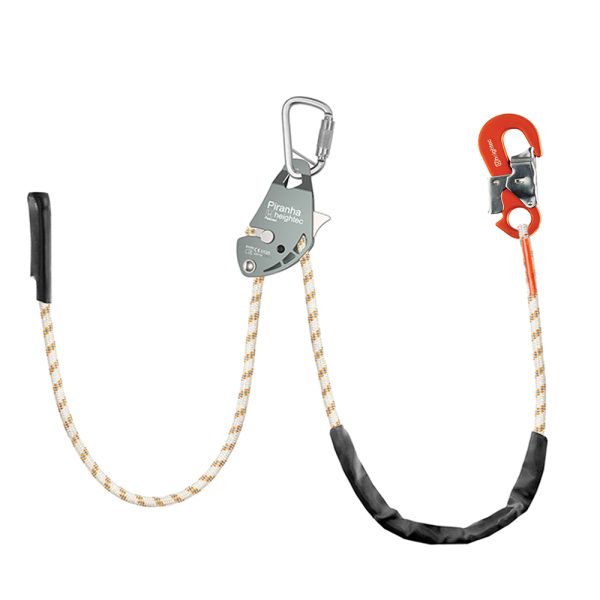
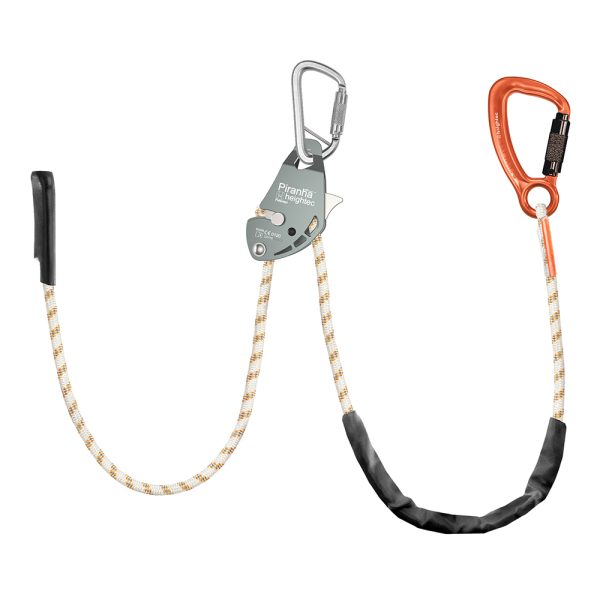
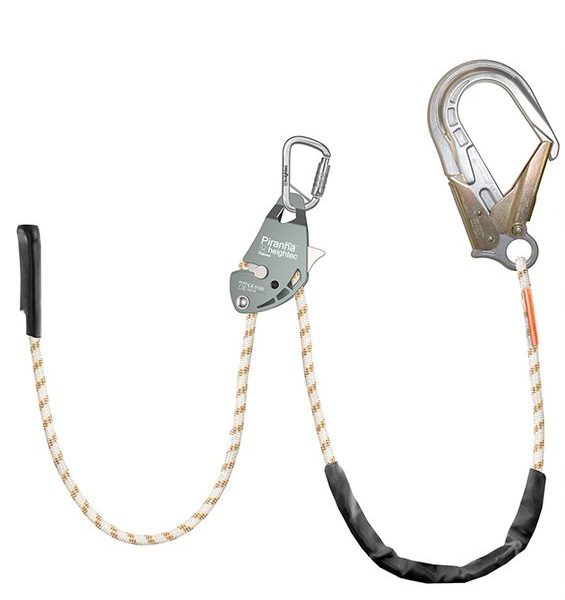
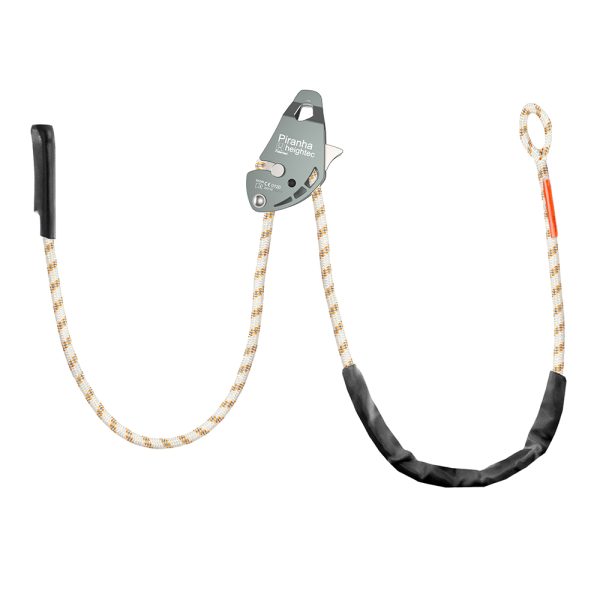
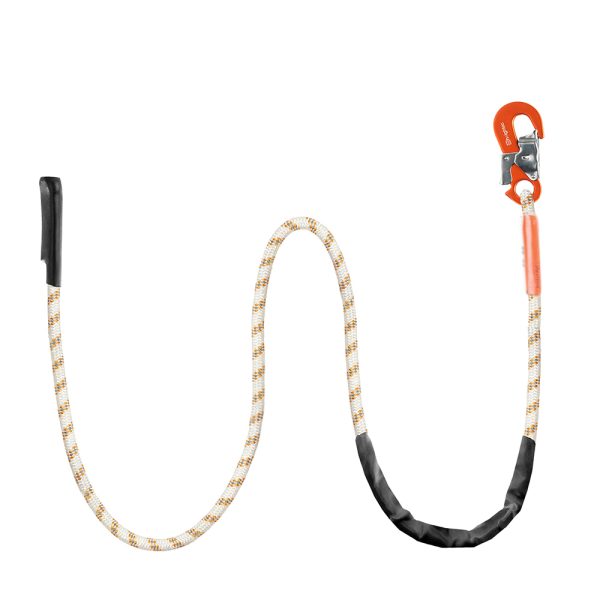
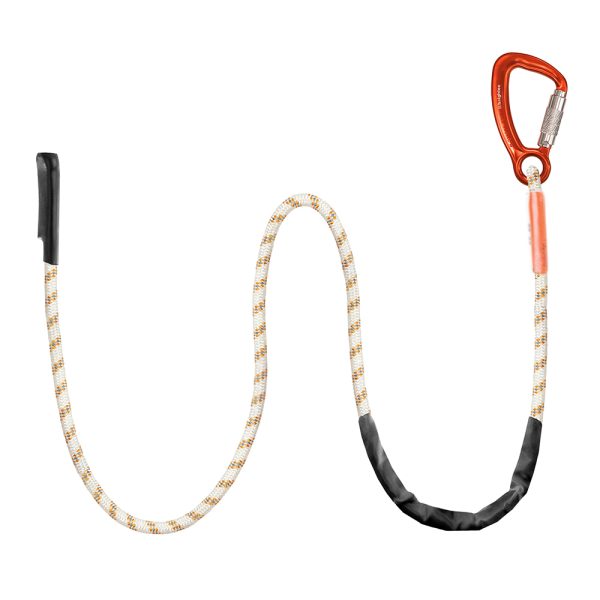
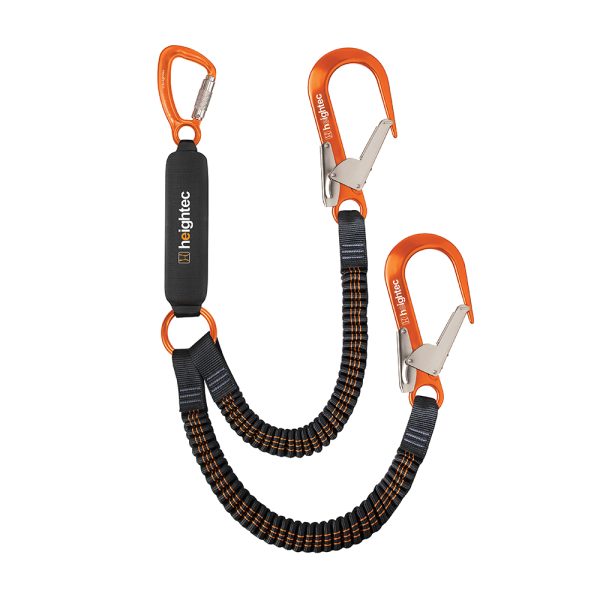
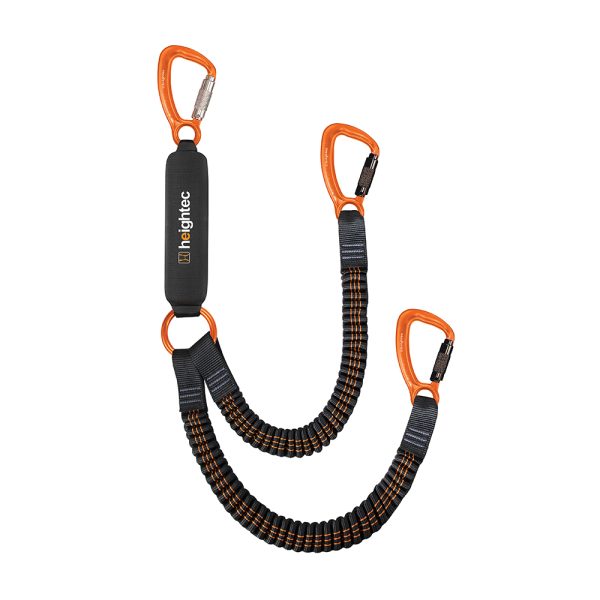
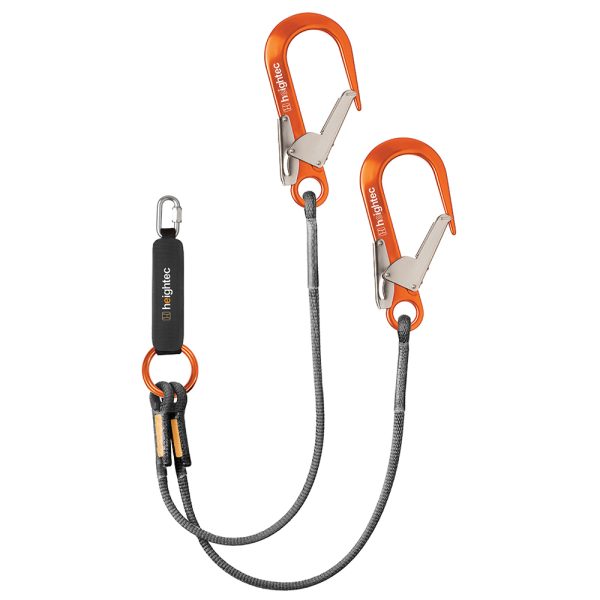
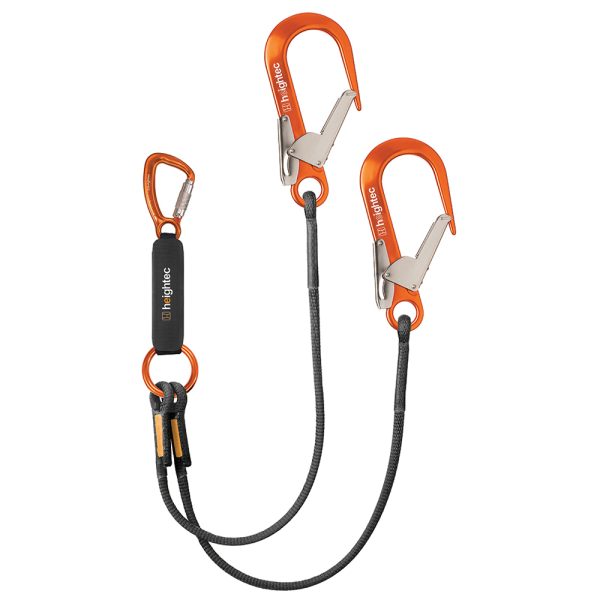
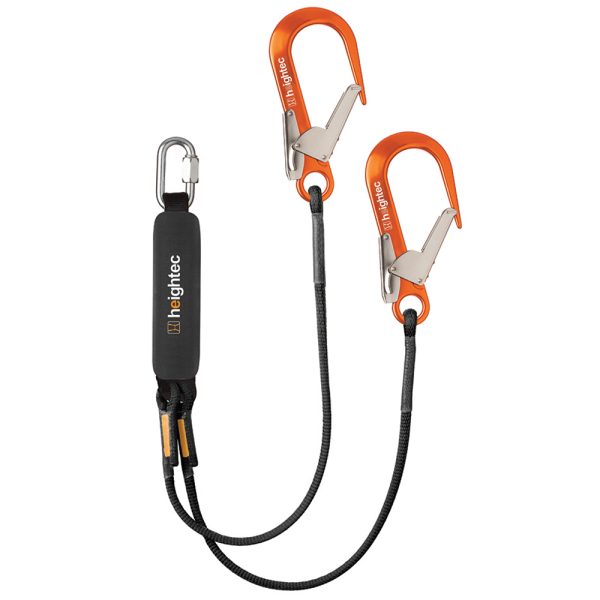
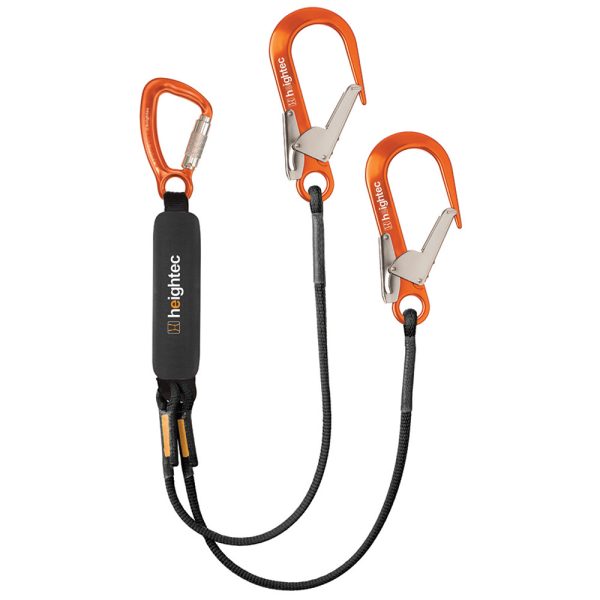
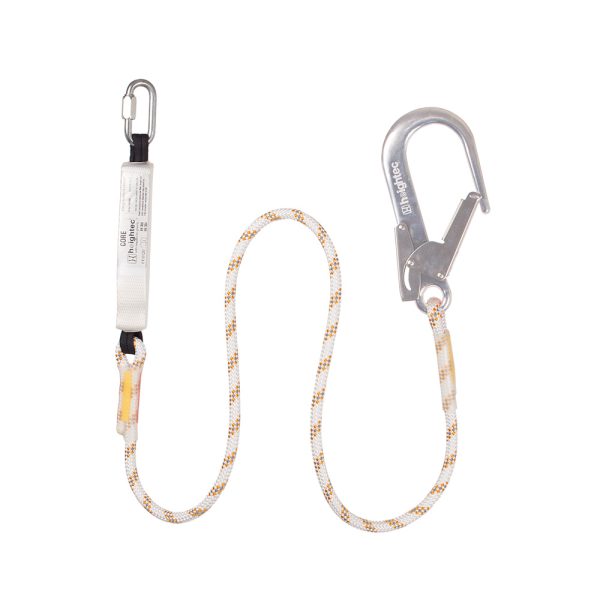
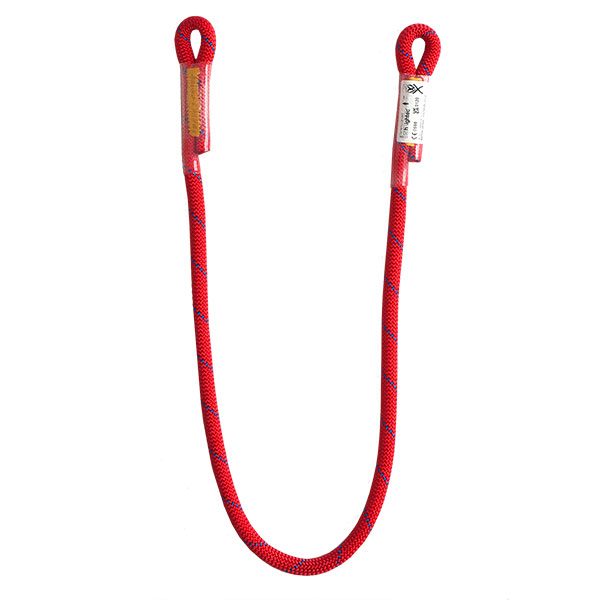
Adjustable lanyards, fixed restraint lanyards and energy absorbing lanyards.
The type of lanyard chosen should directly reflect how the work is to be carried out.
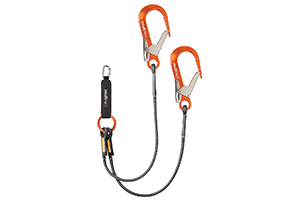
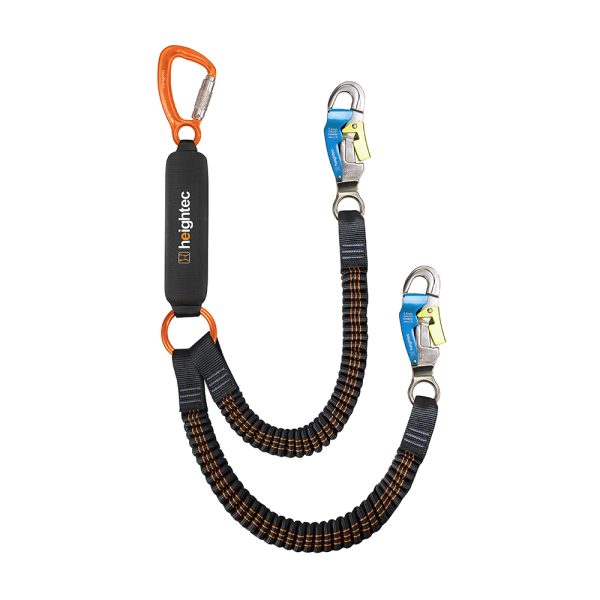
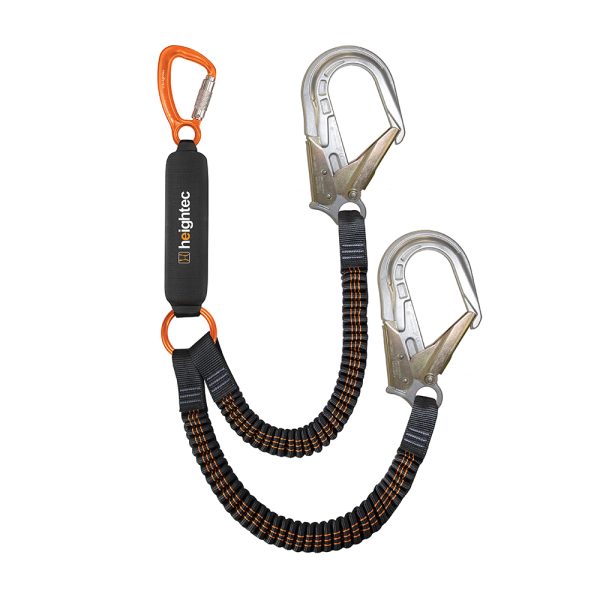
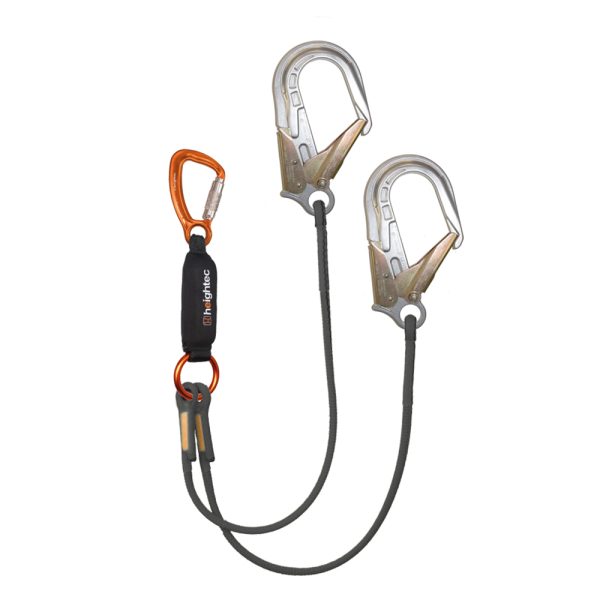
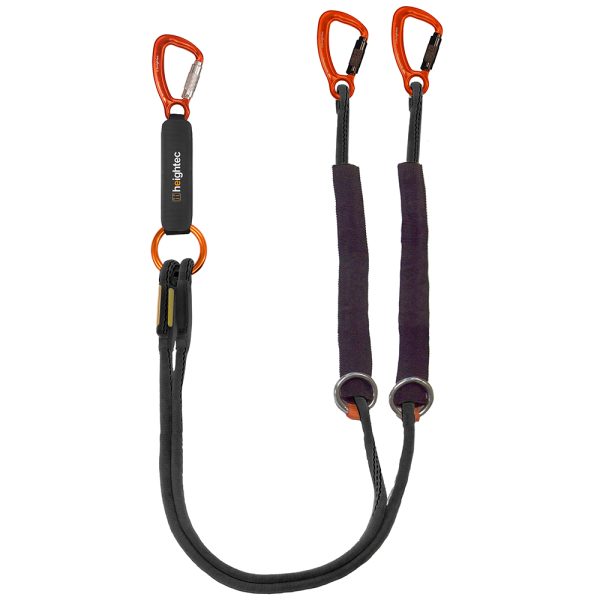
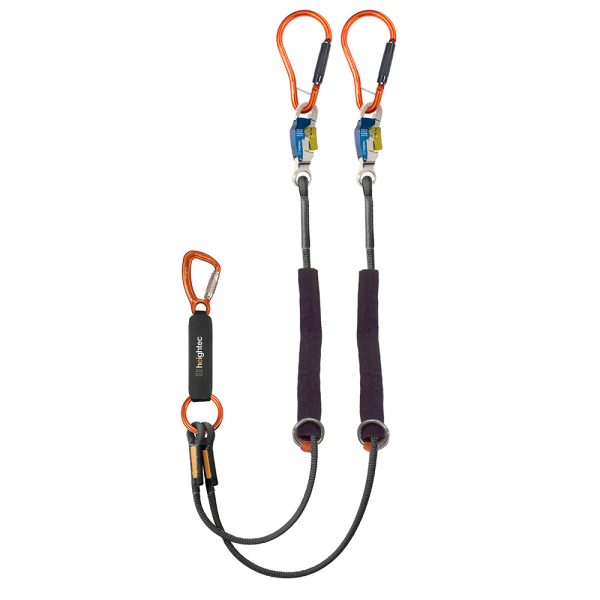
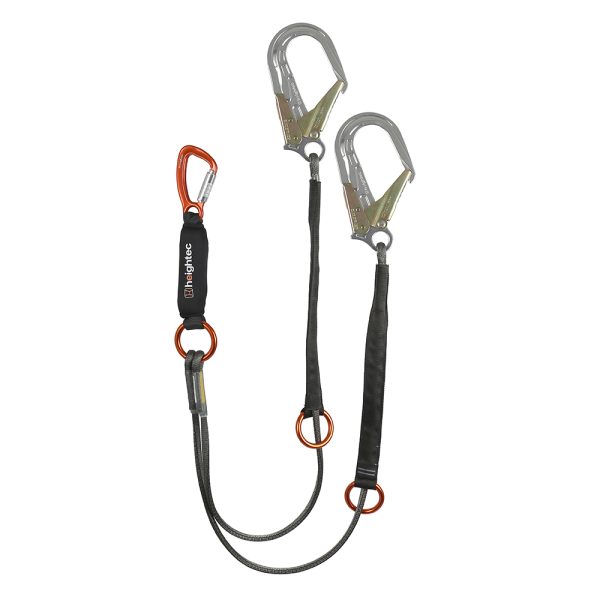
Single-leg lanyards are typically used where users can remain connected to a single anchorage point without moving frequently. While twin-leg (Y) lanyards allow continuous connection when transitioning between anchor points, such as mast or tower climbs, twin lanyards with a flexible retracted length, when not under load, reduces snag risk, improving safety and enabling longer lanyards to be used.
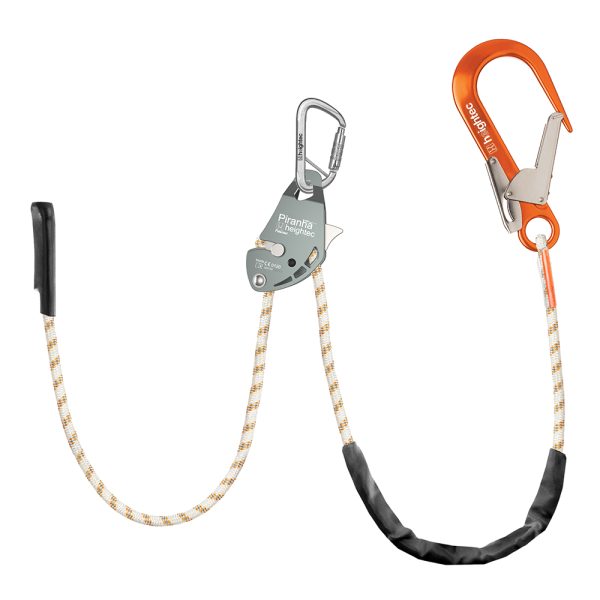
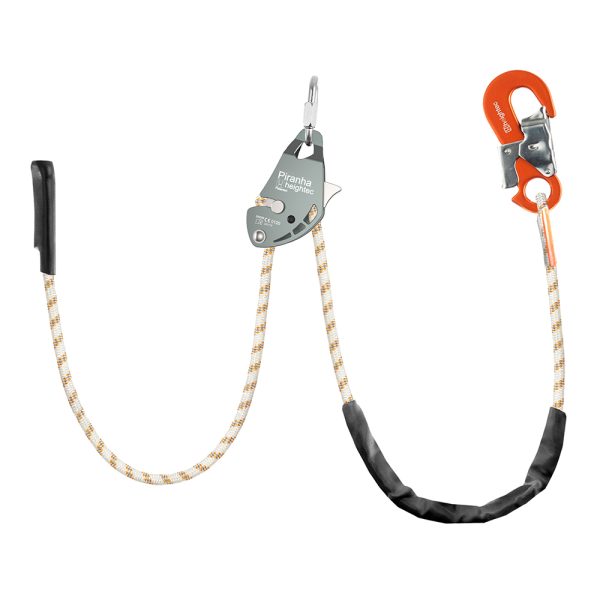
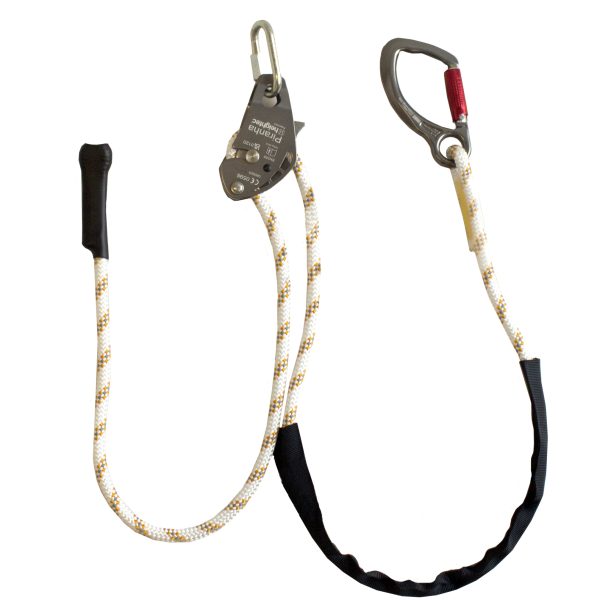
Adjustable lanyards allow the user to fine-tune their working length, making them well suited to work positioning tasks where stability and hands-free operation are required.
Restraint lanyards, by contrast, are selected for tasks where the risk assessment confirms that a fall can be fully prevented, as they are designed to limit access to the fall hazards rather than arrest a fall. Aligning lanyard type with task demands is essential to ensuring both compliance and effective risk control.